


OUHUIS – Rooibos from Zeekoevlei 109 Farm in the Cederberg
OUHUIS at a glance
- Farm: Zeekoevlei 109 near Clanwilliam (Cederberg, South Africa)
- Address (as stated by OUHUIS): Zeekoevlei 109, P.O. Box 209, Clanwilliam 8135, South Africa
- 🗺️ Farm on the map: Google Maps · Apple Maps · OpenStreetMap
- Company: Protea Kop Rooibos Tee (Pty) Ltd (the Smit family) – OUHUIS as the farm brand
- Team: approx. 9 permanent employees + seasonal workers for harvest
- Harvest / sales (in principle): only part is packed under OUHUIS – the rest is sold as bulk to processors
- Exports (among others): Philippines, Taiwan, Germany
- Special feature: the Smit family wasn’t “born into” the Cederberg – they arrived as newcomers, built a rooibos farm step by step, and made OUHUIS visible again.
A bit of OUHUIS history (short)
“Ouhuis” = “Old House”:
The name refers to an old farmhouse and stands for a long farming tradition in the Zeekoevlei area.
Rooibos on site:
Rooibos has been grown at Zeekoevlei for decades – and the farm invested early in processing and quality.
A restart with the Smit family:
After a break in the farm’s history, the Smit family took over and rebuilt the OUHUIS brand step by step.
Source of these notes:
Information from on-site conversations with the Smit family and ongoing communication (email/WhatsApp). First visit: October 2019; since then, regular farm visits.
OUHUIS products in our shop
Note: we currently stock a curated selection. If you’re looking for a specific OUHUIS product, feel free to message us — we’ll see what we can do.
OUHUIS online:
OUHUIS in 8 images
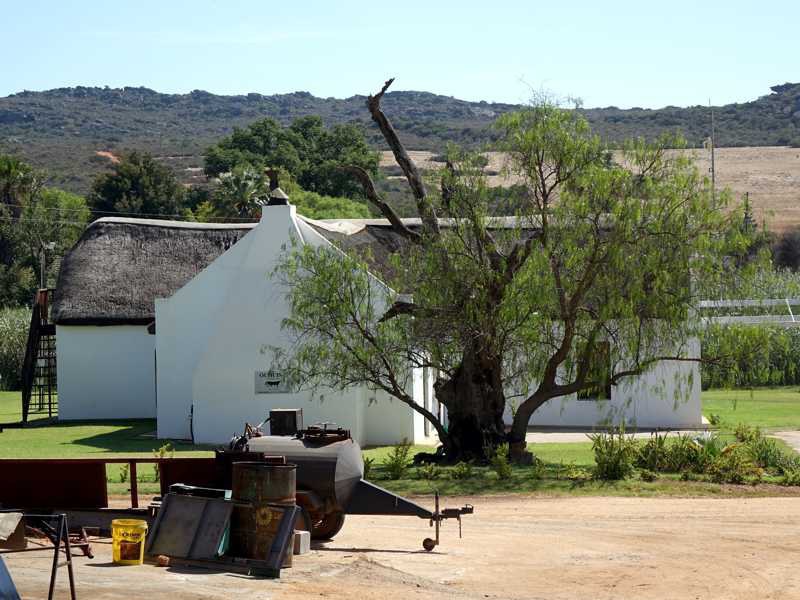
A house that carries the place.
OUHUIS isn’t a “showroom” — it’s a real farmyard, with wind, dust, and a wide sky. When you arrive, you feel it immediately: this is a place where you work with the landscape, not against it.
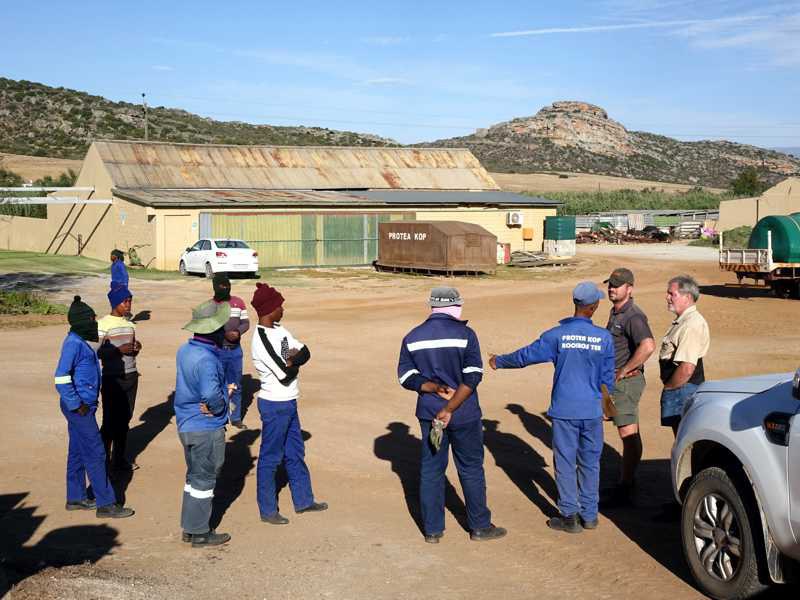
After work, you see what matters.
Before the day ends, the team talks through what went well — and what needs to be better tomorrow. These short check-ins are what make farming reliable: decisions are made together, not behind a desk.
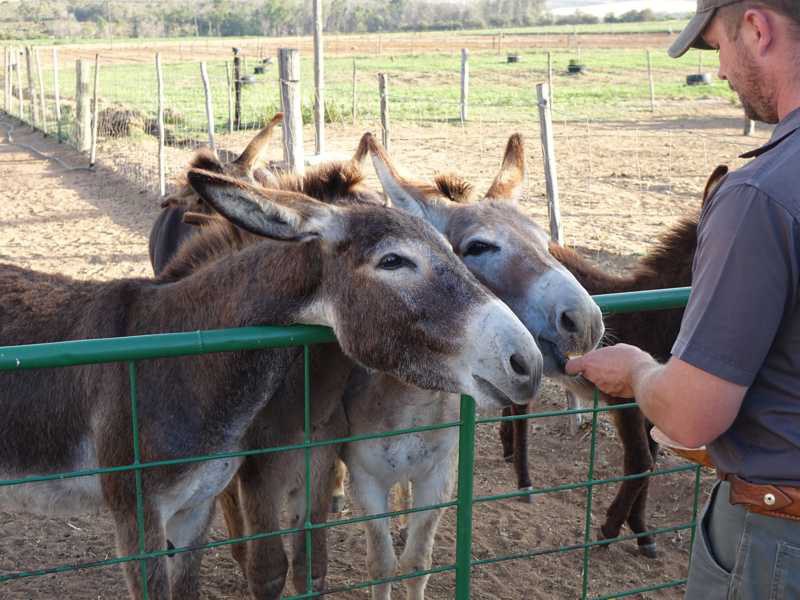
Donkeys instead of chemicals.
What started as an idea for Johan’s father (a small uplift during a tough time) is now part of the farm logic: the donkeys eat almost everything — just not rooibos — helping keep areas naturally “clean.” Because foals would be at risk outside (jackals), they are kept in the pen at times.
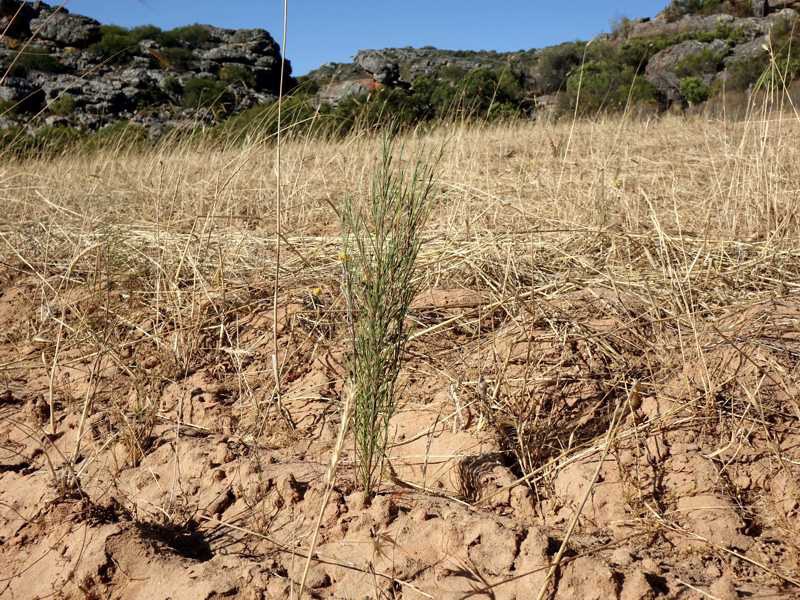
Four months: delicate — and already resilient.
This plant was planted out in August and is shown here about four months later (November). This phase is crucial: rooting, establishing, and whether the young plant truly “accepts” the site.
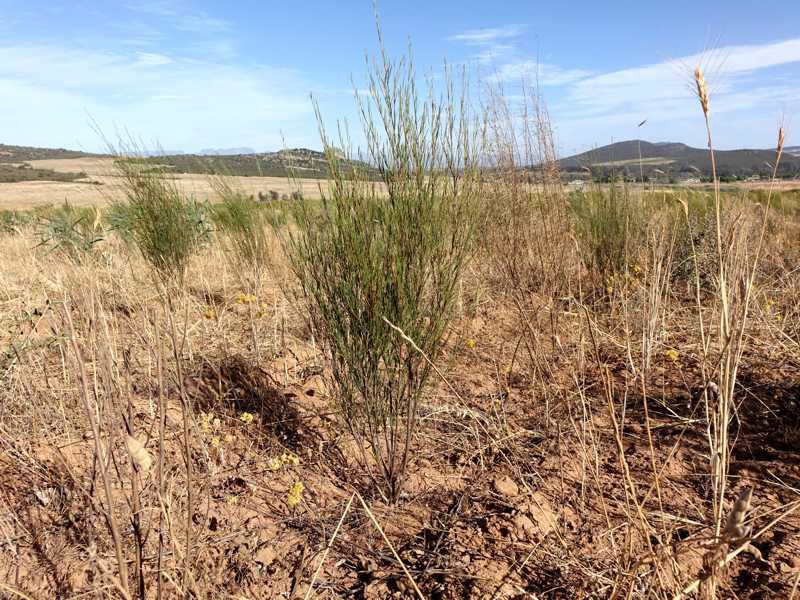
Sixteen months: just before the first cut.
After about 16 months, rooibos already looks much bushier and more stable. The first harvest typically follows the next spring (e.g., March/April) — a long run-up before “tea” even exists.
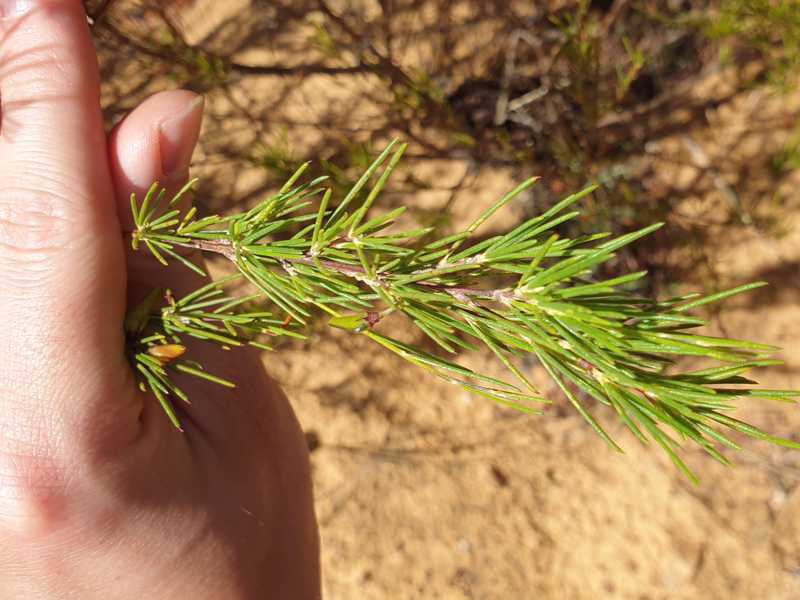
When the pest arrives, the regrowth “explodes.”
A certain beetle lays its eggs on young rooibos twigs. The larvae feed on the plant — and rooibos responds with extremely dense new growth on the affected section. For a long time, this pest pressure was one reason farms relied on pesticides.
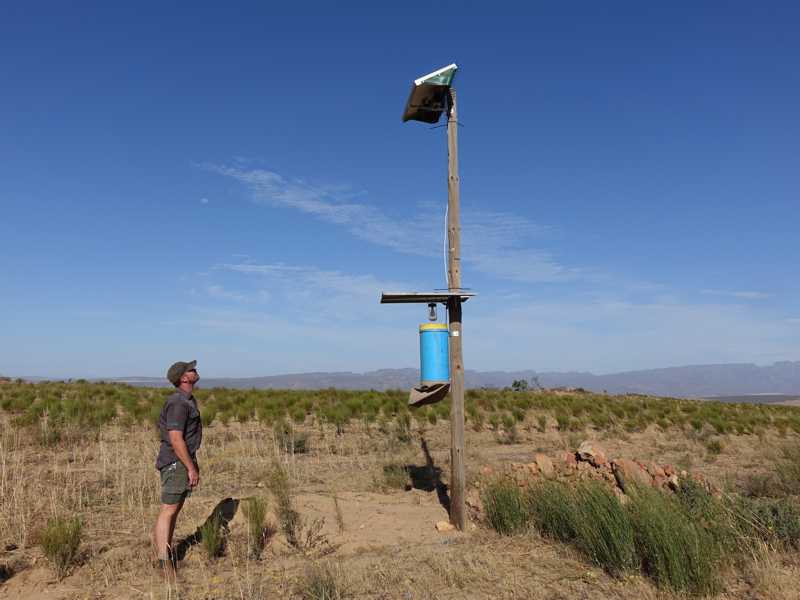
Light traps instead of spraying.
Recently, Johan started testing field traps to attract the main pest — without chemicals. Next, different LED colours will be tried to improve effectiveness. The goal is clear: avoid pest control as far as possible.
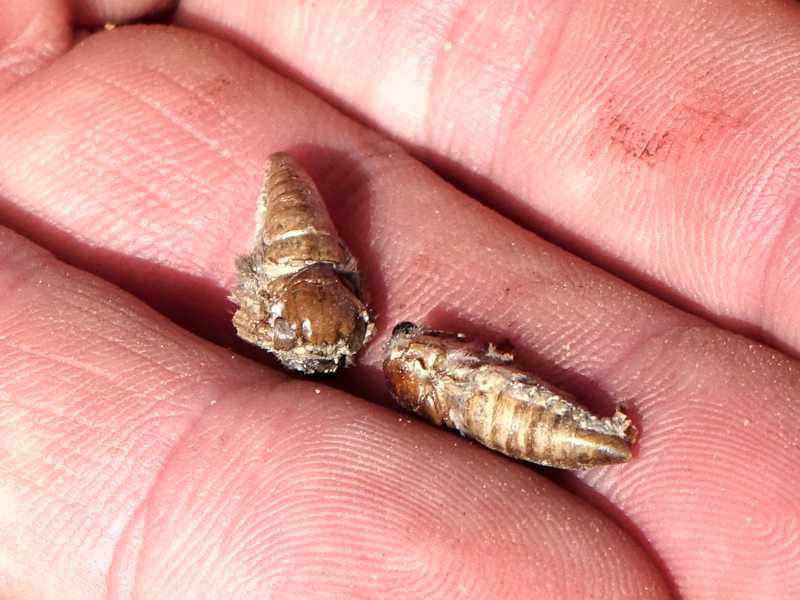
The main pest on young rooibos.
This beetle lays its eggs on young rooibos twigs. Larvae hatch and damage fresh shoots — that’s the pest pressure many farms traditionally fight with pesticides.
Zeekoevlei 109 in the Cederberg: rooibos from people who had to start over
For us, OUHUIS is a farm name that immediately creates a picture: a place in the Cederberg, far out near Clanwilliam — and a family that didn’t “always” do rooibos. That’s exactly what makes the story so credible. Because if you arrive as an outsider in rooibos country, you have to learn every step deliberately: climate, soils, rhythms — and above all, patience.
The Smit family did not come from a classic Cederberg rooibos line. They found their way to Zeekoevlei 109 Farm through life — with the courage not only to take over a farm, but to rebuild a place. And you can feel it: OUHUIS doesn’t come across like just any label, but like an attempt to make origin visible — without gloss.
At Zeekoevlei, it’s never about “more at any price,” but about a routine that works. Rooibos isn’t a quick crop. It takes good decisions in the field, a clean harvest, clear processing — and a sense for when to let nature keep its pace. OUHUIS stands for a pragmatic attitude: quality isn’t made in one sentence, but in many small steps repeated until they stick.
Part of the harvest is packed under the OUHUIS name — the rest continues as bulk. For us, that’s not a disadvantage but an honest hint at how rooibos really works in South Africa: not everything becomes a brand, but what becomes a brand should set the standard. That’s exactly why OUHUIS belongs on our partner-farms pages: it’s a farm where you don’t just see a product, but the logic behind it.
So when you drink OUHUIS, you’re not drinking “just any rooibos.” You’re drinking tea from a place that only works if people take it seriously — and from a story that isn’t polished. For us, that’s the real meaning of “Discover the people behind it”: not more words — but more origin you can believe.