


Fynbos
Rooibos, Honeybush, Buchu and Cancer Bush in the South African Fynbos
Fynbos
The plant world of the South African Cape
Fynbos refers to the plant world of the south-western and southern Cape of South Africa. It stretches from the Cederberg mountains north of Cape Town across the fold mountains running parallel to the Cape coast and into the Port Elizabeth (Gqeberha) area in the Eastern Cape. Botanically, Fynbos is the defining vegetation of the Cape Floral Kingdom. This larger plant region also includes adjoining areas that are no longer part of Fynbos in the narrower sense.
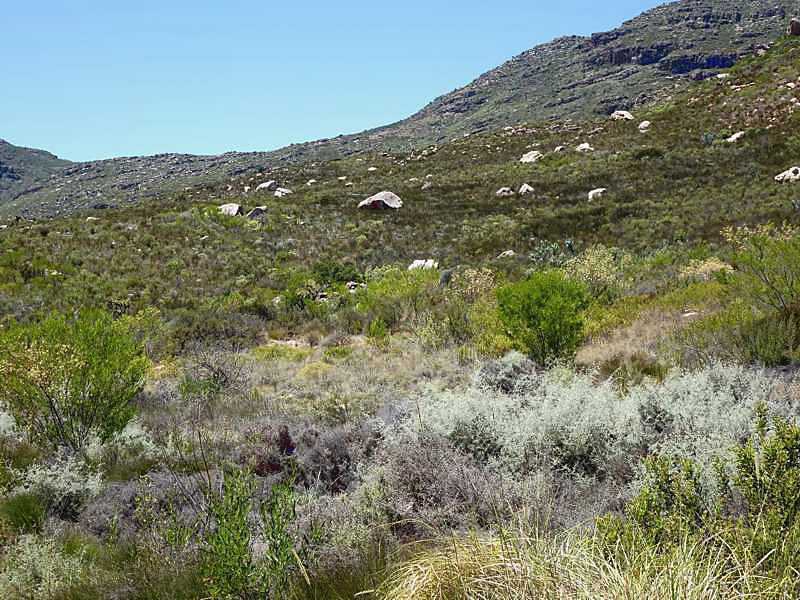
Fynbos shapes large parts of the plant world of the South African Cape.
Many of its plants grow only there. Rooibos, Honeybush and Buchu belong directly to this Fynbos world. Cancer Bush differs from them through its wider distribution and also occurs in other dry regions of South Africa.
Rooibos
Rooibos is mild, soft and rounded, often with honey-like, caramel, fruity, floral, herbal or warm woody notes. Depending on processing and cut, however, it can also appear stronger, drier and more distinctive. Important Rooibos areas lie in the winter-rainfall west of the South African Cape, for example in the Cederberg, Sandveld and Bokkeveld. In everyday life, Rooibos is the best-known and most widely used Fynbos plant.
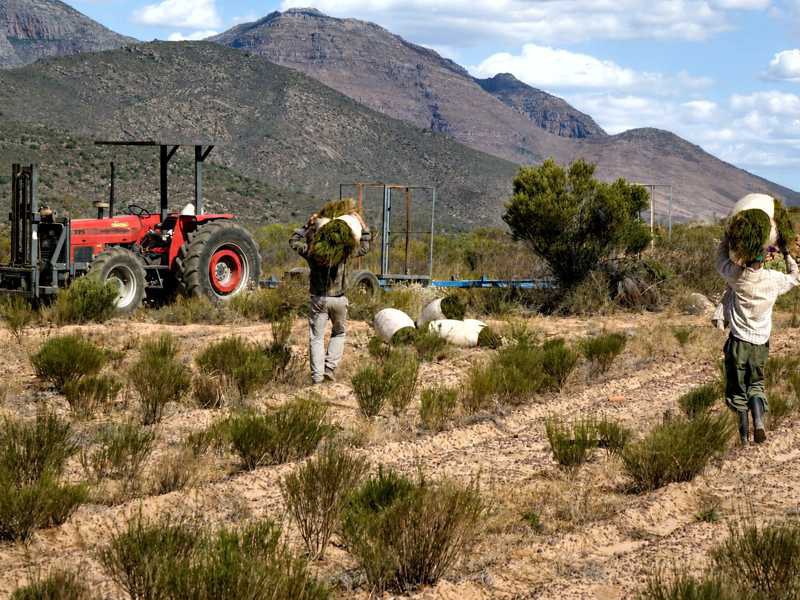
Rooibos grows naturally in the winter-rainfall west of the South African Cape.
Honeybush
Honeybush is mild, soft and naturally sweet, often with floral and lightly honeyed notes. The species used belong to the Fynbos world of the Western and Eastern Cape. In South Africa, Honeybush was traditionally not only prepared for a single serving, but in some cases kept warm for longer periods and drunk throughout the day. At the same time, Honeybush remains a plant world of its own and is not simply a milder version of Rooibos.
Buchu
Buchu is much more aromatic and distinctive, often with minty, peppery notes reminiscent of blackcurrant. The most important Buchu species in trade grow mainly in the Western Cape, including regions such as the Cederberg, Piketberg and Paarl/Wellington. Traditionally, Buchu was used in South Africa in various contexts. Unlike Rooibos and Honeybush, Buchu is less about mildness and more about an independent, strongly recognisable scent and flavour character.
Cancer Bush
Cancer Bush is more bitter, more tart and less immediately pleasing than the other three. In South Africa, the plant has long been known as a traditionally used household and medicinal plant; in everyday life it is often also encountered under the name Sutherlandia, and botanically as Lessertia frutescens. It grows not only in the Fynbos, but also beyond it in drier regions of South Africa, especially in parts of the Karoo. Unlike Rooibos, Honeybush and Buchu, Cancer Bush is less defined by scent or mildness than by its clearly bitter character and its traditional use.
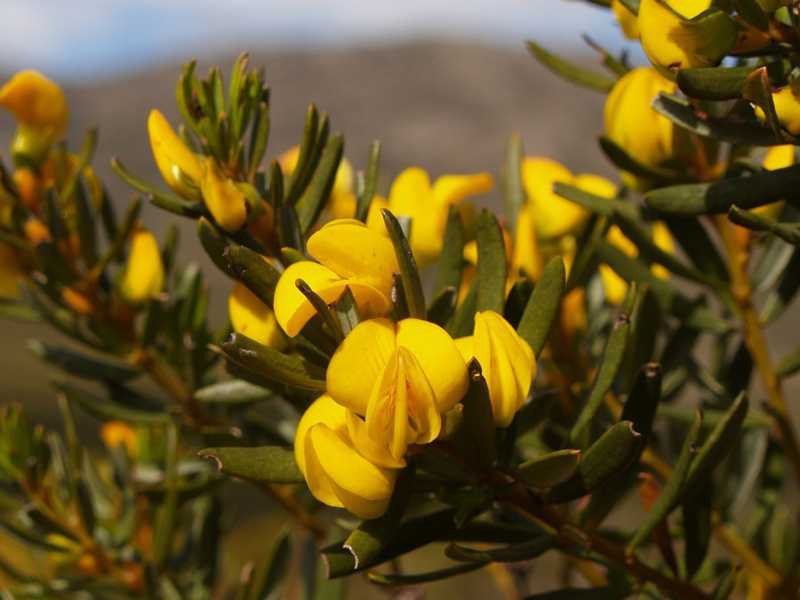 Honeybush Mild, soft and naturally sweet — a plant world of its own from the Fynbos. More about Honeybush
 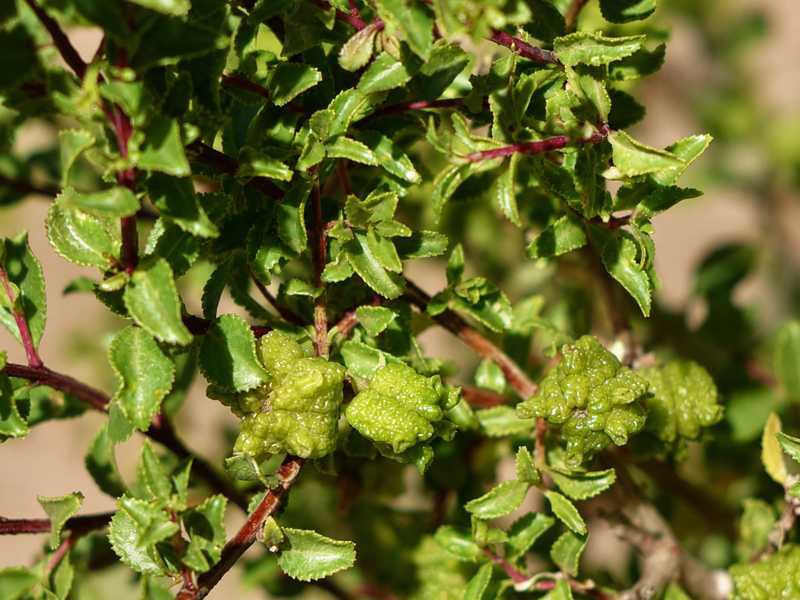 Buchu Aromatic, distinctive and unmistakable — with its own scent and flavour character. More about Buchu
 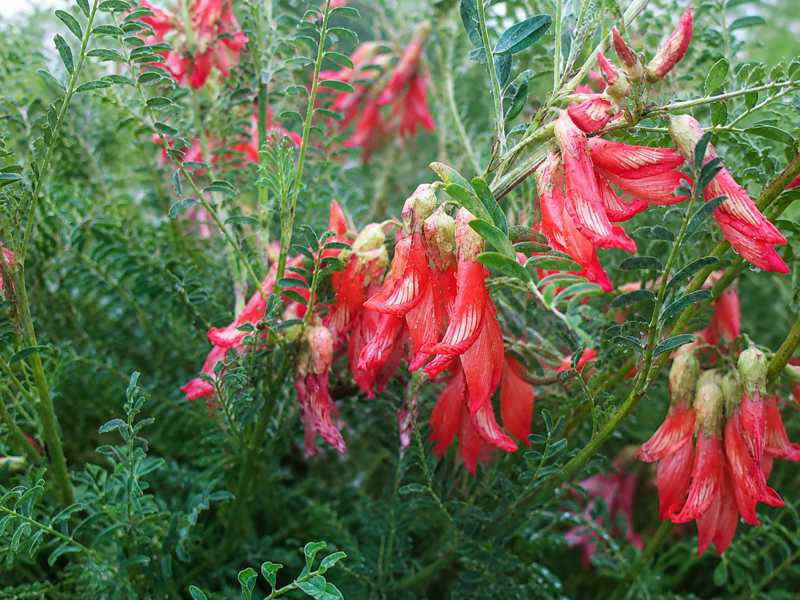 Cancer Bush Bitter, herbal and traditionally used — a South African plant world of its own. More about Cancer Bush
 How they differ
Rooibos, Honeybush, Buchu and Cancer Bush belong to the same broader South African plant context, but they differ clearly from one another. Rooibos is mild and close to everyday use, Honeybush soft and sweetish, Buchu aromatic and distinctive, Cancer Bush bitter and more strongly connected with traditional use.
Where to go from here
Those who would like to learn more about Rooibos, Honeybush, Buchu or Cancer Bush will find further insights on the following pages into the individual plants, their origin and their use.